Buyer guide · Updated 15 October 2026
Long-sleeve football jerseys: check the sleeve measurement
Compare sleeve length, cuffs and body measurements when choosing a long-sleeve football shirt.
Match the exact long-sleeve reference
A short-sleeve product photograph does not establish the details of a long-sleeve garment. Use the individual long-sleeve product link and ask for current front, back and cuff photos. Keep the team, season label and home or away design in the same enquiry.
Agree where sleeve length starts
Some sleeve measurements start at a shoulder seam; others start nearer the neck, particularly where the sleeve construction differs. Ask the seller to show the measurement method with a photograph. Compare it with a similar long-sleeve shirt measured in the same way, rather than using two numbers taken from different points.
Review cuffs and body fit
Check the pictured cuff, chest width and body length. Explain whether you want room for a layer underneath, but do not assume a long sleeve makes a garment warmer or changes its fabric. Ask about the material and care information of the actual selected reference.
Keep version and printing clear
Write the reference, requested version, measured size and quantity on each order line. If you want custom printing, supply the exact name and number and ask for placement confirmation. Request availability and the delivered quote after the garment specification is clear.
Two sleeve measurements that must not be mixed
Before comparing sleeve lengths, look at where the shoulder seam sits. A raglan or dropped-shoulder design can place the start point differently from a conventional set-in sleeve.
Swipe the table to see all columns →
| Measurement | Starting point to agree | What to keep with it |
|---|---|---|
| Shoulder to cuff | Shoulder seam to the end of the cuff | A photo showing the seam and tape position. |
| Neck to cuff | The same specified point near the neckline | A photo of the entire measuring path. |
| Cuff opening | Flat, relaxed width across the opening | Whether the cuff was stretched or left relaxed. |
| Body fit | Chest width and body length | The same dimensions from your comparison garment. |
Why a longer number may not mean a longer sleeve
Illustrative numbers only: a 62 cm shoulder-to-cuff sleeve and a 76 cm neck-to-cuff measurement do not establish a 14 cm fit difference. The two measurements start at different points. Request matching methods before choosing between the shirts.
Reference: __ | Size: __
Sleeve method: shoulder seam to cuff / specified neck point to cuff
Sleeve __ cm; relaxed cuff width __ cm
Flat chest __ cm; body length __ cm
Please include a tape-measure photo for the selected reference.
If you plan to wear a layer underneath, compare against a long-sleeve shirt you already use that way. Describe the intended fit instead of assuming every long-sleeve design is cut for layering or made from a heavier material.
Your enquiry checklist
| Reference | Actual long-sleeve page and photos |
|---|---|
| Sleeve | Starting point and length |
| Body | Flat chest width and length |
| Cuff | Shape and requested fit |
Catalogue references
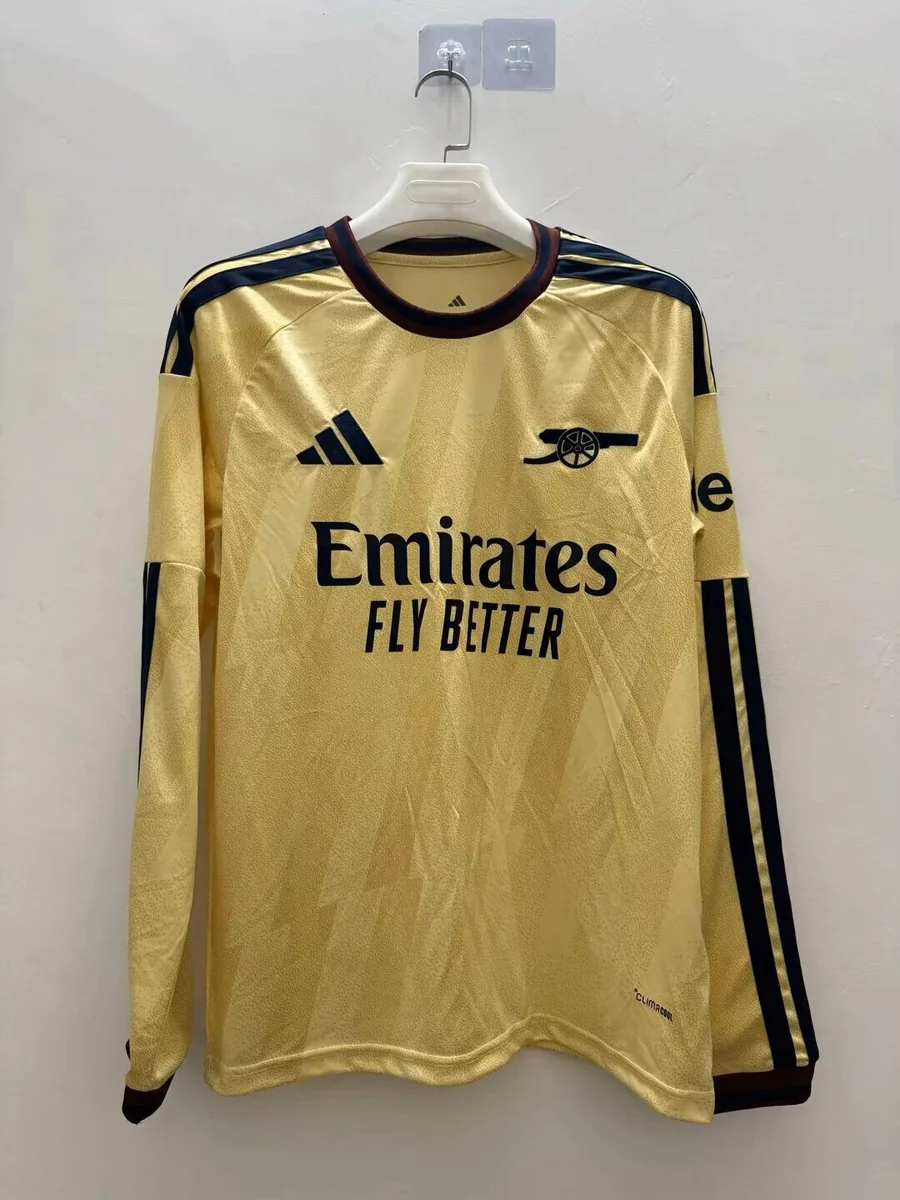
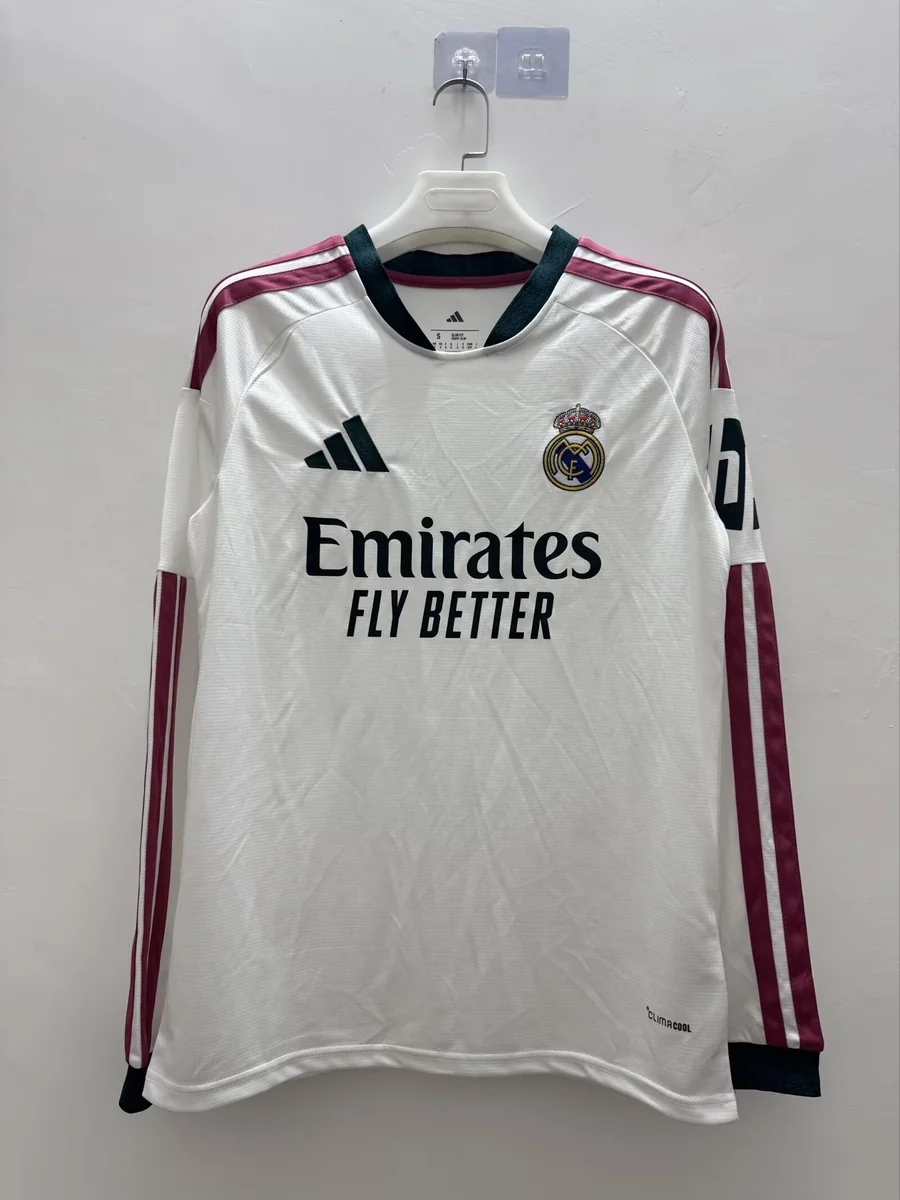
Catalogue photographs do not establish current stock.
Common questions
Can I reuse my short-sleeve size without checking?
Compare body and sleeve measurements on the selected long-sleeve reference first.
Does long sleeve mean a winter-weight fabric?
No. Sleeve length alone does not establish thickness or warmth; ask about the actual garment.
More questions about your selection
Can I compare a raglan sleeve with a set-in sleeve?
Yes, but first agree a common measurement method or provide photos of both measuring paths. The seam positions can make otherwise similar numbers misleading.
Should the cuff be stretched when measuring it?
Record whether it is relaxed or stretched. For a useful comparison, ask the seller to use the same condition and method.
Ask about your selection
Send the product links, sizes and quantities to confirm current photos, availability and a quote for your destination.